 italiano
 English
 français
 italiano
 español
 português

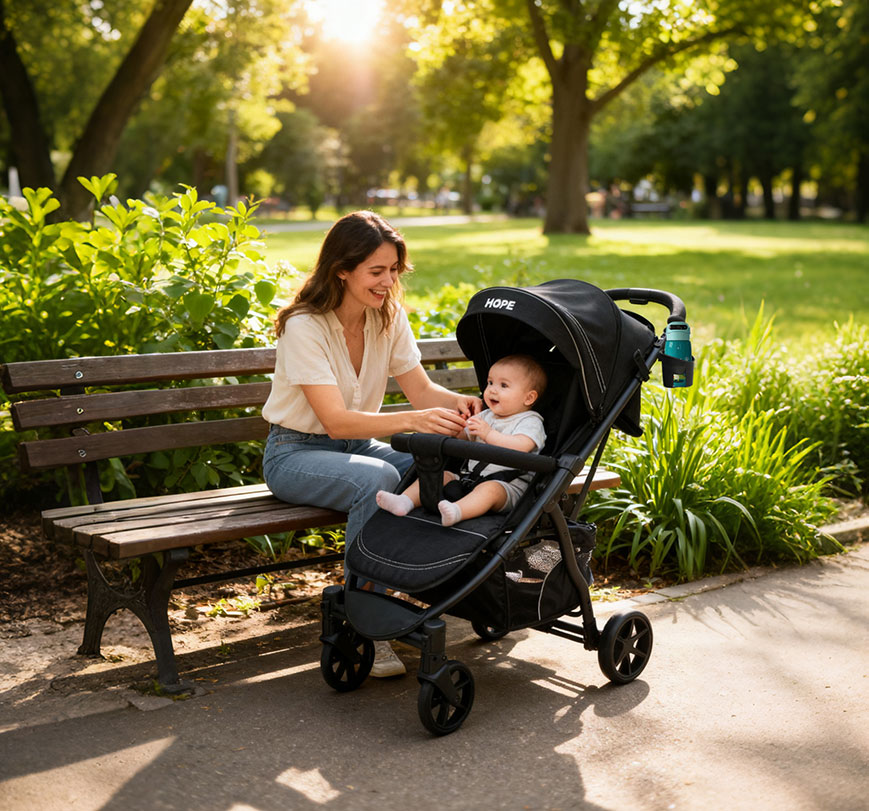
As a new parent, the thought of taking your precious newborn outside for the first time can be both exciting and nerve-wracking. Many parents often wonder, "When can a newborn go outside?" The answer to this question is multi-faceted, involving various factors that contribute to your baby's well-being. In this blog post, we will explore the crucial considerations and tips for ensuring safe outings with your newborn.
Understanding the Basics
Newborn babies have delicate immune systems that are still developing, making them more susceptible to germs and infections. As a general guideline, most pediatricians recommend avoiding crowded or overly polluted areas during the first few weeks of your baby's life. It's important to safeguard your newborn from potential illnesses during this vulnerable period.
Why Outdoor Time Benefits Both Baby and Parents
Moderate outdoor activity is not only safe but also actively supports healthy development:
Factors to Consider
Essential Tips for Safe Outings
Taking your newborn outdoors is a beautiful milestone in the parenting journey. Come prepared, stay adaptable, and cherish every moment of exploring the world with your little one. When you’re pushing the stroller under a gentle sun, watching your baby gaze curiously at their new surroundings, all the careful preparations will feel completely worth it.
Frequently Asked Questions
Q: Will taking my newborn outside make them more likely to get sick?
A: The risk is very low for brief outings if you avoid crowded places and choose the right time and location. In fact, appropriate exposure to the natural environment can aid in the healthy development of the immune system.
Q: How long should our first outings be?
A: Start with short trips of 10-15 minutes, gradually increasing to 30-60 minutes. Always watch your baby's cues; if they seem unsettled or tired, head home immediately.
Q: How do I know if my baby is ready to go outside?
A: Key signs include steady weight gain, a healed and fallen-off umbilical cord stump, and stable body temperature regulation (typically around 2 weeks old).



 IPv6 RETE SUPPORTATA